
A single storey brick home usually needs four cameras. A large two storey home often needs six. In both cases the positions matter more than the count.
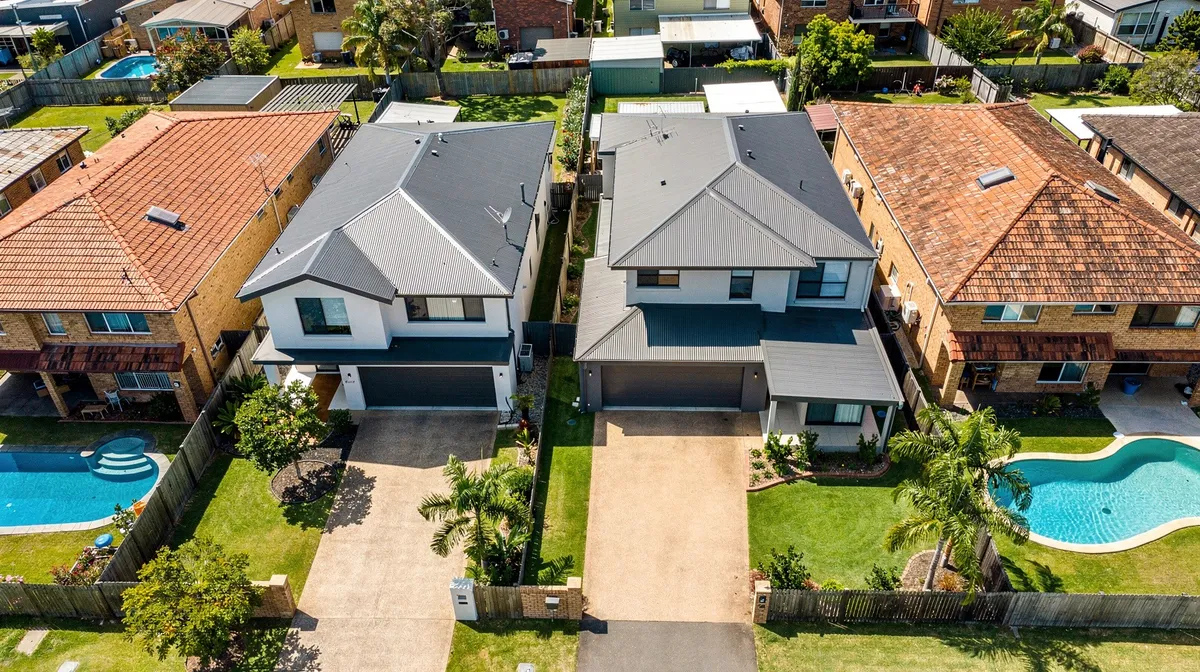
Start by thinking like someone who wants in. Which door would they try? Which side of the house is hidden from the neighbours? Where are the cars, the bikes and the deliveries? Cover those first, then fill the gaps.
The garage or carport and driveway. Cars are the most common target, and a camera here records anyone walking up the driveway and, if placed well, number plates.
The front entry. A camera at head height near the door, with a narrower lens, records faces clearly. Couriers, visitors and anyone trying the door all pass it.
The side passage. Most homes have a gate between the house and the fence on at least one side. It leads to the back yard and is hidden from the street.
The back yard or alfresco. Sliding doors, outdoor furniture and barbecues are here. A camera from a corner of the house covers most of the yard.
Large rebuilds usually add two more: the second side passage, and a pool or rear fence camera. Some homes also have a second entry, such as a separate door for grandparents, which needs its own camera.
There is a big difference between a camera that shows someone walked past and one that shows who they were. It depends on how many pixels land on a face. A 2.8mm lens covers a wide area but makes people small. A 4mm or 6mm lens covers less but records much more detail at the same distance. Front entries get the narrower lens, yards the wider one.
A shed or garage full of tools. A pool cabana. A back fence onto a park or creek corridor. A long driveway. A second street frontage on a corner block. Each is a reason for an extra camera.
A townhouse usually needs two or three: the garage, the entry and the courtyard. See the townhouse complex page.
An eight channel recorder costs little more than a four channel one and leaves space to add cameras later without changing the recorder. Prices are in the cost guide.
Sometimes, from a corner, but it rarely records a usable face at either spot. Two cameras with narrower views usually work better.
Usually not. Ground floor and first floor eave cameras cover the ways in. A balcony reachable from outside is the exception.
Your garage camera will see part of the street anyway. Mask the footpath and road to keep alerts useful and recording on your own property.
Installed prices, what changes them, and how to spot what a cheap quote has left out.
Buying adviceThe real differences between wired, wifi and battery cameras, and where each one fits.
QueenslandThe main rules for homes, townhouses, rentals and businesses, explained plainly. Not legal advice.
HiringLicences, cable routes, hardware, recording time and support, in one checklist.
BrandsNight vision, detection, deterrence and apps across the three brands, and which specifications really count.
4K wired camera systems for southside homes, with the cable out of sight and the app on every phone.
BusinessCamera systems for restaurants, shops, offices and industrial units, planned around real risks.
RepairsFinding and fixing faults in any brand of system, and upgrading old analogue cameras.
DeterrenceCameras with a siren, strobes and two way audio that respond to people, not animals.
Cameras and cabling in Kuraby 4112.
4109Cameras and cabling in Macgregor 4109.
4109Cameras and cabling in Robertson 4109.
4113Cameras and cabling in Runcorn 4113.
4109Cameras and cabling in Sunnybank 4109.
4109Cameras and cabling in Sunnybank Hills 4109.
Send a few details about the property and we will come back with a written quote that itemises everything.
Thanks. Your details are now with Richard (QLD Lic #4930731, ACMA #A058225), who will look over the job and send back a written, itemised price within 15 to 30 minutes during trade hours.